
The Silent Treatment: What It Means and How to Break It
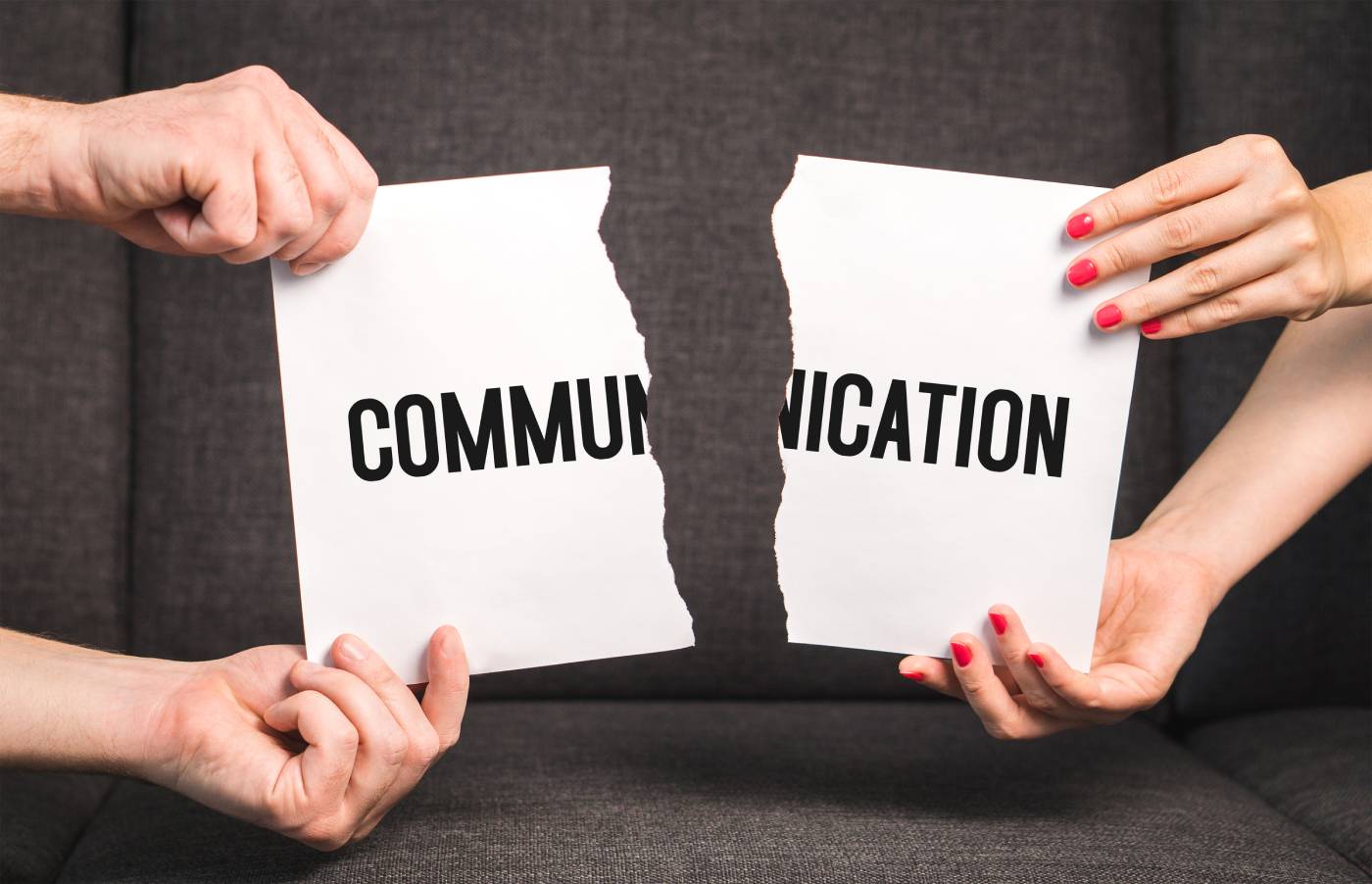

You said something. Their replies come back short, or not at all. You catch yourself replaying the conversation on a loop, rewinding to find the exact moment everything shifted. You draft messages and delete them. You wait.
If you’ve received the silent treatment, you know how heavy that waiting can feel. If you’ve used it, you may have sensed it doesn’t really solve anything.
Understanding what the silent treatment really is, why people reach for it, and how to break the cycle is not just healthy relationship advice. It is a way back to each other.
What is the silent treatment in a relationship? The silent treatment is when one person purposefully stops speaking or engaging with their partner as a response to conflict or hurt feelings. It is not the same as needing space to think. It is a deliberate withdrawal of words, attention, and emotional connection.
It can show up in different ways. Sometimes it is the complete silence treatment with no acknowledgement. Other times it is more subtle — short replies, cold energy, or being physically present but emotionally shut down.
How long is too long for the silent treatment? There is no exact timeframe, but when silence treatment becomes a repeated pattern or is used to punish or control, it stops being healthy communication and starts damaging the relationship. That is often the point where support from a family therapist or marriage counselor in couples counseling becomes important.
Why People Use the Silent Treatment

Why do people use the silent treatment? Most people who use the silent treatment are not doing it because they are cruel. They are often reacting to overwhelming feelings or negative emotional responses and do not have healthier tools to cope.
They feel overwhelmed. When emotions get too big too fast, some people shut down. Their nervous system is flooded, and they cannot process feelings and talk at the same time.
They want to avoid saying something they will regret. Going quiet feels safer than an explosion.
They learned it growing up. If the silent treatment was used as punishment in their home, they may have picked it up without realizing it. People repeat what they know.
They want the other person to feel what they feel. Sometimes the silent treatment is intentional, “You hurt me, so now I will make you feel that too”.
Understanding why does not make it okay. But it makes responding with compassion a lot easier.
The Emotional Impact of Being Ignored
What does the silent treatment do to a partner emotionally? Being ignored by someone you love does not just feel bad. It registers in the brain the same way a punch does. Research shows that social rejection and physical pain activate the same neural pathways, which means being shut out by your partner is not something you are overreacting to. It is something your body is actually experiencing.
When someone gives you the silent treatment, your brain goes into problem-solving mode. What did I do? How do I fix this? Am I even worth talking to? That spiral chips away at your confidence and self-worth, especially when it happens more than once.
Over time, silent treatment abuse can lead to negative emotional responses like anxiety, self-doubt, and a constant fear of saying the wrong thing. You start walking on eggshells, experiencing relationship burnout, and silencing yourself before they can silence you first.
Is the Silent Treatment Emotional Withdrawal or Control
Sometimes the silent treatment is emotional withdrawal. The person is overwhelmed and cannot keep talking. They are not trying to punish anyone. They just need to shut down in order to function.
Other times, it is used as control — a way to punish, create fear, or force a specific outcome. “If you don’t apologize, I won’t speak to you.” In these cases, silence shifts from communication into a weapon.
Is the silent treatment a form of emotional abuse? It can be. When it is used repeatedly to punish, control, or diminish someone’s sense of worth, it crosses into emotional abuse and even silent treatment abuse. Even without yelling or visible harm, the impact can be deeply damaging over time.
How the Silent Treatment Affects Communication and Trust
Can the silent treatment damage a relationship long term? Yes, and the damage is subtle enough that most people do not see it coming. Every relationship runs on communication. When someone closes that road without warning, it creates relationship issues that do not disappear just because the silence eventually ends.
Trust breaks down slowly. Each time the silent treatment happens, it leaves a small crack, and over time those cracks build up. You start to wonder if it is safe to be honest, if conflict will always end in rejection, and if this is a relationship where you can truly be yourself.
Eventually, you stop bringing things up. Not because everything is fine, but because speaking feels riskier than staying quiet. Problems go unaddressed. Distance grows. And the relationship gets smaller from all the conversations that never happened.
The Difference Between Taking Space and Shutting Down
What is the difference between taking space and the silent treatment? Taking space means a person notices their emotions are too intense for a productive conversation and uses communication to pause the interaction. “I need some time. Can we talk later?” This kind of break is linked to better emotional control, mutual respect and healthier conflict repair because the goal is to return and continue the conversation.
Shutting down, on the other hand, is a form of emotional withdrawal. There is no explanation, no timeline, and no plan to return. The connection is cut off, which often triggers what psychologists call the attachment alarm system — the brain’s response to feeling uncertain or unsafe in a relationship. That’s why it can feel so stressful.
An important difference is what happens next. Taking space includes a clear intention to reconnect, while the silent treatment often continues until one person gives in or apologizes, even if they did nothing wrong.
Even a simple statement like, “I need an hour, then I want to talk,” keeps the nervous system calmer and maintains the relationship bridge instead of breaking it.
Common Triggers That Lead to the Silent Treatment
Feeling criticized or attacked. When someone feels judged or blamed, shutting down can feel like self-protection.
Not feeling heard. If someone believes talking changes nothing, why bother? The silent treatment becomes a form of protest.
Fear of escalation. Some people go quiet because they are afraid the conversation will explode into something far worse.
Old pain showing up. A small disagreement in the present can hit a wound from the past, making the reaction much bigger than the moment deserves.
Recognizing these triggers, yours and your partner’s, helps you to build and strengthen self-awareness to choose a different response.
How to Respond When Your Partner Shuts Down
How should you respond to the silent treatment? When someone uses the silent treatment on you, the instinct is to chase — to keep talking and pushing until they respond. That rarely works and often makes the silence go deeper. Here is what can actually help:
Stay calm. Reacting with anger or tears gives the silence more power. Breathe.
Name what you are noticing without accusation. Try: “I can see you are not ready to talk right now. I am here when you are.” That keeps the door open without forcing anything.
Give them time — with a limit. Space is reasonable. Endless silence is not. Saying “Can we check back in tonight?” communicates respect and a clear expectation.
Take care of yourself in the meantime. Do not spend the entire silent treatment period spinning in anxiety. Talk to a friend, go for a walk, or speak with a family therapist or mental health professional if you need extra support. Remind yourself who you are outside of this moment.
How to Break the Silent Treatment Cycle as a Couple

1. Talk about it when you are not in conflict.
How can couples break the silent treatment cycle? Definitely. Discuss your feelings on a calm day. For example, “I noticed that when we argue, one of us sometimes goes silent. I want us to find a better way to handle that together.”
2. Create a signal for needing space
Agree on a phrase that means “I need time, but I am coming back.” This removes the fear from the silence because both people understand what it means.
3. Commit to a return.
The person who needs space should name a specific time to re-engage. “Give me an hour” is healthy. Disappearing for two days without a word is not.
4. Practice small repairs
Every time one of you chooses to speak up instead of shut down, even when it’s difficult, that is progress. Every small win counts.
When to Seek Support for Ongoing Communication Issues
Is it possible to fix a relationship after repeated silent treatment? Yes, but not by waiting for change. It requires both people to recognize the pattern and actively do something different.
But when should couples seek therapy for communication issues? If silence treatment becomes a repeated cycle and nothing improves, that’s a clear sign to receive couples counseling. You don’t have to wait for a breaking point.
And how can therapy help with emotional withdrawal in relationships? A couples therapist or mental health professional can help both partners understand the pattern and rebuild connection through couples counseling, while individual therapy can support you in processing the emotional impact, including self-doubt and the habit to shrink yourself to keep the peace. It’s also possible to integrate individual therapy into couples therapy.
When emotional silence appears alongside controlling behaviors like isolation or constant criticism, it may signal deeper patterns of emotional abuse. Talking with a couples therapist or marriage counselor can help you understand what is going on and learn healthier ways to communicate and relate to each other.
The Silent Treatment: What It Really Means (And How to Respond)
The silent treatment can mean many things, but in healthy relationships it should never make you feel like you don’t matter. You can recognize unhealthy patterns, name them, and choose something better for you; connection, respect, and emotional safety.
If you’re ready for change, you don’t have to do it alone. Book a call with one of our couple therapists or marriage counselors and get the support you deserve through couple therapy sessions.