
How to Stop Panic Attacks Naturally: Evidence-Based Techniques From NYC Therapists
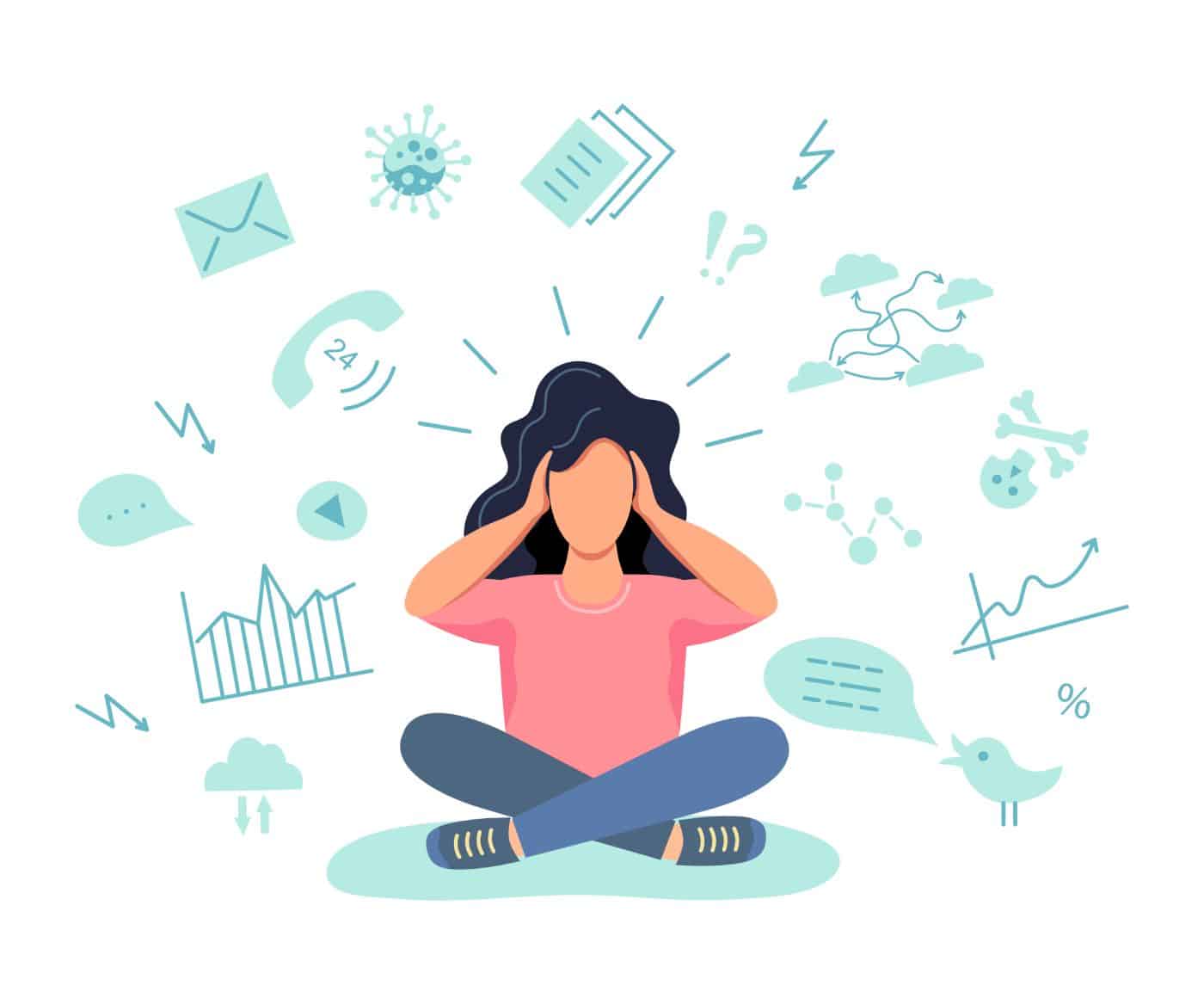
Panic attacks can feel sudden and overwhelming. Your heart may race, your breathing may change, and your thoughts may jump to worst-case scenarios. Even though it feels frightening, a panic attack is not dangerous. It is your body’s natural stress system turning on too strongly.
The good news is that you can learn how to stop panic attacks naturally using simple, evidence-based techniques. These include breathing slowly, grounding your attention, and changing how you respond to anxious thoughts (National Institute of Mental Health). Looking Glass NYC therapists often teach these tools because they help calm the nervous system in the moment and reduce panic over time. They work best when used alongside therapy if panic becomes frequent or starts affecting daily life.
This guide will help you understand what panic attacks are, what is happening in your body, and what helps you feel better in the moment and long term.
Quick answer: What Helps Stop a Panic Attack
When a panic attack begins, your body reacts as though you’re in danger, even when you’re safe. Rather than trying to stop the panic, focus on helping your nervous system recognize that there is no immediate threat.
The most effective techniques in the moment include:
- Slow, paced breathing with longer exhales
- Grounding through your senses, such as the 5-4-3-2-1 technique
- Reminding yourself that what you’re experiencing is a panic response and is not dangerous
These strategies help calm the body’s fight-or-flight response and bring your attention back to the present moment.
Over time, habits such as getting adequate sleep, limiting caffeine and alcohol, staying physically active, and learning coping skills through Cognitive Behavioral Therapy (CBT) can reduce the frequency and intensity of panic attacks.
While natural techniques can be helpful, they work best alongside professional support when panic attacks are recurrent. The good news is that panic attacks are highly treatable, and many people experience significant improvement within weeks of starting evidence-based therapy.
What is a Panic Attack?

A panic attack is a sudden surge of intense fear or discomfort that reaches its peak within minutes. It can happen unexpectedly and often feels overwhelming, even when there is no real danger present.
During a panic attack, the body’s stress response, often called the fight-or-flight response, activates as though you’re facing a threat. This response is designed to protect you, but during a panic attack, it can be triggered when you’re actually safe.
Common Physical Symptoms
Panic attacks can cause a range of physical symptoms, including:
- A rapid or pounding heartbeat
- Shortness of breath
- Chest tightness or discomfort
- Sweating or trembling
- Dizziness or lightheadedness
- Nausea or stomach upset
- Tingling or numbness
- Hot or cold flashes
Common Thoughts and Feelings
Many people also experience cognitive symptoms, such as:
- Fear of losing control
- Fear of dying or having a medical emergency
- Racing or catastrophic thoughts
- Feeling detached from yourself (depersonalization)
- Feeling disconnected from your surroundings (derealization)
Common Behaviors
During or after a panic attack, people may:
- Feel a strong urge to escape the situation
- Avoid places where previous panic attacks occurred
- Seek reassurance from others
Panic Attacks vs. Anxiety
What is the difference between a panic attack and anxiety attack? Although panic and anxiety are connected, they are not the same thing. Anxiety tends to build slowly and involve ongoing worry, while panic attacks come on suddenly, intensify, and then decrease. But it is possible to experience both.
Are panic attacks dangerous? No, even though panic attacks can feel frightening, they’re not dangerous. The symptoms are the result of your body’s natural stress response, not a sign that something is wrong with you.
What is Happening In Your Body During Panic
Why do panic attacks happen? When panic begins, your sympathetic nervous system activates. This is the part of your body responsible for responding to threats.
It increases:
- Heart rate
- Breathing speed
- Muscle tension
- Alertness
This response is meant to protect you in real danger. But during panic, it activates when no danger is present.
What often makes panic worse is something called interoceptive sensitivity. This means your brain becomes highly aware of normal body sensations, like a fast heartbeat, and misinterprets them as danger.
This can create a loop:
- You feel a sensation
- Your brain labels it as dangerous
- Fear increases
- Symptoms intensify
What is the best therapy for panic attacks? According to research, CBT is one of the most effective therapies for panic disorder because it helps break this loop (American Psychological Association; National Institute of Mental Health).
Techniques to Stop a Panic Attack in the Moment

When panic starts, your goal is simple: help your body feel safe again. You are not trying to “win” against panic. You are helping it pass.
The following techniques are widely used in CBT-informed treatment for panic disorder (Anxiety and Depression Association of America):
Slow Breathing With Longer Exhales
How can I stop a panic attack quickly? This is one of the most effective tools you can use.
Try this:
- Inhale through your nose for 4 seconds
- Pause gently for 1–2 seconds
- Exhale slowly for 6–8 seconds
- Repeat for 1–3 minutes
The longer exhale is what signals safety. It helps activate the parasympathetic nervous system, which slows your heart rate and calms your body.
You do not need to feel calm right away. Just keep the rhythm steady and let your body respond.
5-4-3-2-1 Grounding Technique
What is the 5-4-3-2-1 grounding technique? The 5-4-3-2-1 technique is a simple grounding exercise that helps bring your attention back to the present moment when panic or anxiety starts to take over.
To practice, identify:
- 5 things you can see
- 4 things you can feel (your feet on the floor, the chair beneath you, the texture of your clothing)
- 3 things you can hear
- 2 things you can smell (or two smells you enjoy)
- 1 thing you can taste (or one thing you’re grateful for)
Panic pulls your attention into scary thoughts about the future or strong focus on physical sensations. Grounding helps by bringing your attention back to what is happening right now around you. This can calm your nervous system and help your brain register that you are safe.
You can use this technique almost anywhere, on public transportation, at work, in a store, or at home. It can also help to practice it when you’re calm so it feels easier to use during a panic attack.
Simple Cognitive Reframing
Panic attacks are often fueled by frightening thoughts such as, “I’m having a heart attack” or “I’m going to lose control.” When these thoughts arise, remind yourself that they are symptoms of panic, not facts.
Try saying:
- “This is a panic attack.”
- “It feels scary, but it is not dangerous.”
- “This will pass.”
How long does a panic attack last? Most panic attacks peak within about 10 minutes and then begin to subside. Rather than fighting the experience, acknowledge what’s happening and allow it to run its course. This CBT-based approach can help reduce fear and interrupt the panic cycle over time.
Longer-Term Strategies That Reduce Frequency and Intensity
While coping skills can help in the moment, daily habits can reduce the likelihood of panic attacks over time by lowering your nervous system’s overall stress level.
Prioritize Sleep
Sleep deprivation can increase anxiety and make your body more reactive to stress. Aim for 7 to 9 hours of sleep each night whenever possible.
Reduce Caffeine and Alcohol
Caffeine can increase physical sensations such as a racing heart, jitters, and restlessness, which may trigger panic in some people. Alcohol can temporarily reduce anxiety but often worsens it later.
Move Your Body Regularly
Research suggests that regular aerobic exercise can reduce anxiety and panic symptoms. Even brisk walking several times per week can help regulate the body’s stress response.
Practice Mindfulness
Mindfulness teaches you to observe thoughts and physical sensations without immediately reacting to them. Even 10 to 15 minutes a day can help your nervous system return to baseline more easily.
Stay Connected
Social support plays an important role in emotional well-being. Regular contact with trusted friends, family members, or support groups can help reduce feelings of isolation and stress.
Look for Patterns
Keeping a simple log of when panic attacks occur, including factors such as sleep, caffeine intake, stress levels, and circumstances, can help you identify triggers and make meaningful changes over time.
When to Seek Professional Support
It may be helpful to seek professional support if panic attacks are happening frequently, for example, weekly or more, or if they are beginning to interfere with daily life.
For example, reach out if you notice:
- Avoiding places, situations, or activities because of panic
- Ongoing worry about having another panic attack (anticipatory anxiety)
- Panic affecting your work, relationships, sleep, or daily functioning
- Symptoms of agoraphobia, such as fear of being in places where escape feels difficult
- Co-occurring depression, increased substance or alcohol use, or thoughts of self-harm
Early intervention is important. Evidence-based treatments, including CBT, are highly effective, and many people experience meaningful improvement with support.
If you are in crisis or having thoughts of self-harm, you can call or text 988 in the United States to reach the Suicide and Crisis Lifeline for immediate support.
When to See a Doctor First
Some panic symptoms, like chest pain, shortness of breath, dizziness, or a racing or irregular heartbeat, can feel like medical problems. Because of this, it’s important to get checked by a doctor, especially if this is your first panic-like episode.
A medical evaluation can help rule out conditions like heart or thyroid issues. If no medical cause is found, therapy is very effective for panic attacks.
What Therapy Adds
Self-help tools can help in the moment, but therapy helps change the deeper patterns that keep panic going.
CBT is one of the most effective, well-researched treatments for panic disorder (National Institute of Mental Health).
It helps you identify panic-related thoughts, build coping skills like paced breathing and grounding, and gradually face scary sensations through exposure. Over time, this reduces fear of physical symptoms, and many people notice improvement within weeks.
Other helpful approaches include ACT, which focuses on reducing struggle with panic, and mindfulness-based therapies, which support a calmer, less reactive response to thoughts and sensations.
A therapist can also help clarify whether panic is occurring on its own or alongside another condition, which helps guide treatment.
At Looking Glass NYC, our therapists use CBT, Acceptance Commitment Therapy (ACT), and other evidence-based approaches to treat panic and anxiety. Virtual and in-person sessions are available.
Key Takeaways
Panic attacks can feel intense and frightening, but they are not dangerous. They happen when the body’s stress system becomes temporarily overactivated.
In the moment, helpful tools include:
- Slow, paced breathing with longer exhales
- Grounding techniques like 5-4-3-2-1
- Simple, realistic self-talk (“This is panic. It will pass.”)
Over time, you can reduce panic by:
- Prioritizing consistent sleep
- Reducing caffeine and alcohol
- Moving your body regularly
- Practicing mindfulness
Therapy can help when panic is frequent or disruptive, especially CBT, which is highly effective for panic disorder.
Panic attacks are common and highly treatable. And with the right support and tools, most people regain confidence in their bodies and daily lives.
This article is for informational purposes only and is not medical or psychological advice. If panic is affecting your daily life, please speak with a licensed mental health professional. If you are in crisis, call or text 988.
Frequently Asked Questions
What Is the Fastest Way to Stop a Panic Attack?
Slow, paced breathing with longer exhales and the 5-4-3-2-1 grounding technique are the most effective in-the-moment tools. Both help activate the body’s calming response and bring attention back to the present.
How Long Does a Panic Attack Last?
The peak usually passes within about 10 minutes, although feelings of fatigue or unease can last longer.
Can Panic Attacks Be Treated Without Medication?
Yes, CBT is highly effective for many people on its own. Medication is an option for some, but should be discussed with your prescribing clinician.
Are Panic Attacks Dangerous?
No. Panic attacks are not dangerous (National Institute of Mental Health), even though they feel intense. However, symptoms like chest pain or an irregular heartbeat should always be evaluated by a doctor to rule out medical causes.
What Is the Difference Between a Panic Attack and an Anxiety Attack?
Panic attacks are sudden, intense, and peak within minutes, while anxiety is usually more gradual, lower in intensity, and longer lasting. The two can also overlap.
What Therapy Works Best for Panic Attacks?
CBT has the strongest research support for panic disorder (American Psychological Association). ACT and mindfulness-based approaches are also effective.
When Should I See a Therapist About Panic Attacks?
Seek support if panic is happening regularly, leading to avoidance, affecting daily life, or occurring alongside depression or thoughts of self-harm.