
Signs Your Relationship Is Asking for Support, Not an Ending
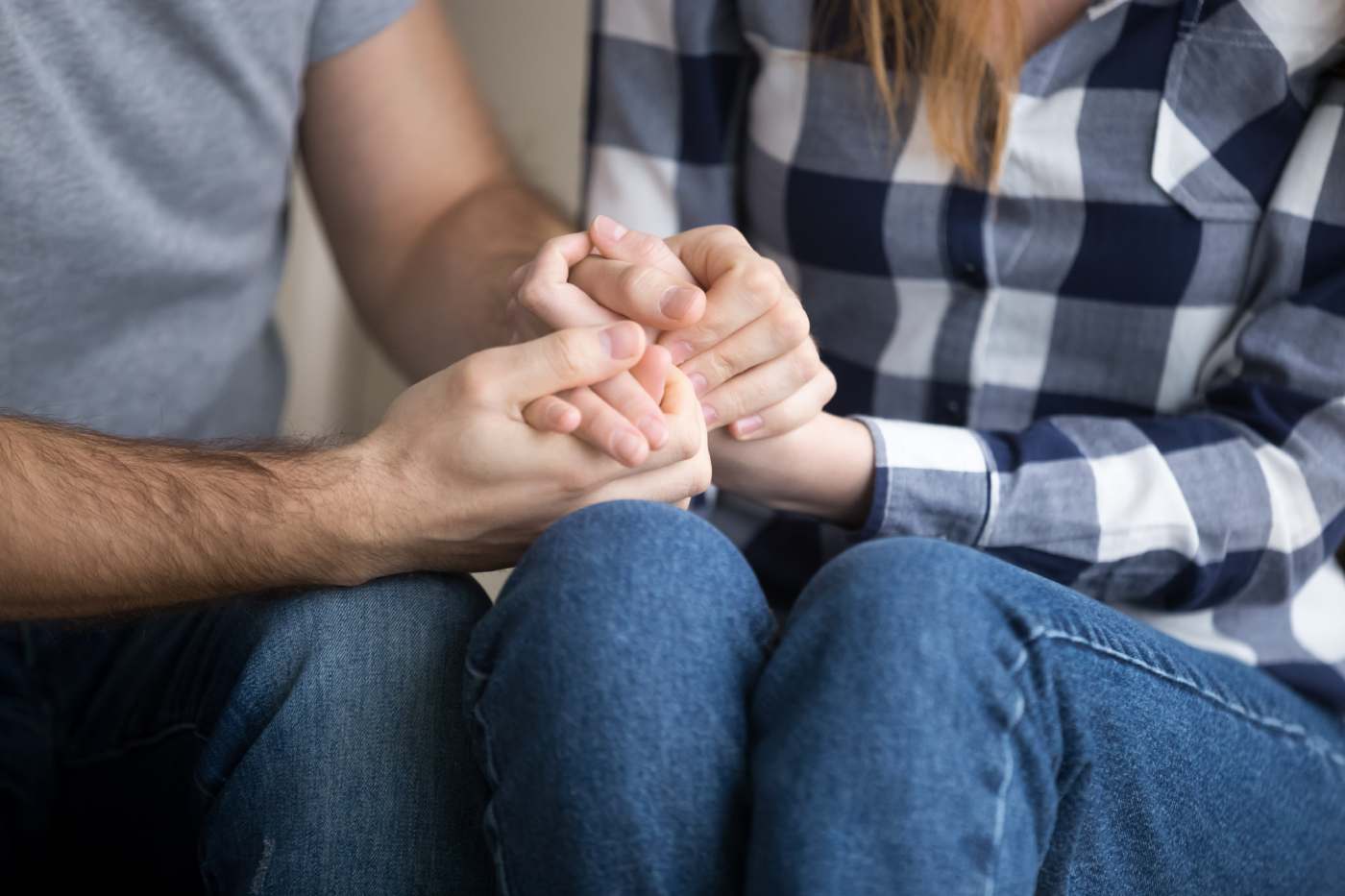
Struggling in your relationship does not mean it is over. It might mean it is asking for something. There is a big difference, and knowing which one you are in could change everything.
So many people walk away from relationships that were never truly broken. They were just tired, hurting, and without the right support. Learning to recognize the signs you need couples therapy can help you pause, understand what is really happening, and choose repair instead of retreat. If something feels off between you and your partner, do not give up yet. What you are feeling may not be an ending, but an invitation to understand each other in a new way.
When Relationship Struggles Don’t Mean It’s Over

Do relationship problems always mean it’s time to break up? No. Every relationship hits a hard season. Moments where nothing feels easy. Moments where you wonder if the love you once felt is still there, or if it ever was. But here is something important to know: struggling does not mean failing. Pain in a relationship is not always a sign that it is over. Sometimes, it is a sign that something needs attention so a healthy relationship can continue to grow. In many cases, relationship therapy is simply a structured way to give that attention.
Think of it like your body. When you feel physical pain, your body is sending you a message. It is asking you to stop, look closer, and get help. Relationships work the same way. The tension, the silence, the arguments; they can all be your relationship’s way of saying, “We need some support here.” Before you decide what to do, it is worth pausing and asking: Is this relationship ending, or is it asking to be healed?
Common Signs a Relationship Needs Support
What are signs a relationship is struggling but not over?
- Feeling like roommates instead of partners
- Bringing up the same arguments over and over without resolution
- Feeling unseen or unheard
- Pulling away physically or emotionally
- Spending more time apart
- Keeping your thoughts and feelings to yourself
- Losing interest in the things you used to enjoy doing together
- Feeling relieved when your partner is not around and then feeling guilty about it
- Snapping at each other over small things that never used to bother you
- Struggling to remember the last time you both truly laughed together
- Feeling like you are walking on eggshells
Emotional Distance vs. Emotional Disconnection
Is emotional distance a sign the relationship is ending? Emotional distance is normal. Life gets busy. Stress piles up. Two people can temporarily drift without it meaning something is seriously wrong. Emotional disconnection, on the other hand, is when you feel like strangers living under the same roof. It is when you stop sharing your inner world with each other. When you stop reaching for one another because hurt and hopelessness have gotten in the way.
Even emotional disconnection is not a dead end. It is often a signal that the emotional bridge between two people needs to be rebuilt, and that is absolutely something that can happen with the right support. Many couples have come back from deep disconnection with the help of mental health professionals through couples therapy and built something even stronger than what they had before.
Why Conflict Can Signal a Desire for Change
Can frequent conflict mean a relationship still has potential? Conflict is not always a bad sign. In fact, couples who never argue are sometimes more at risk than couples who do. Why? Because conflict, at its core, is an attempt to be understood. When someone raises their voice or pushes back, they are often saying, “This matters to me. I need you to hear me.”
The problem is often how the conflict is handled. When arguments turn into name-calling, shutting down, or saying things that cannot be taken back, that is when damage builds. But underneath most arguments is a genuine desire for connection, respect, and change—the foundation for a fulfilling relationship. Understanding this is one of the many benefits of couples counseling before marriage, helping partners address issues early and build stronger bonds.
When Communication Breakdowns Are a Call for Help
When does communication breakdown signal a need for help? Communication is the heartbeat of a relationship. When it starts to break down, everything else feels harder. You may notice that simple conversations turn into arguments. Or that you have stopped bringing things up altogether because it feels pointless. Maybe you feel like no matter what you say, you are misunderstood.
A communication breakdown does not mean you and your partner are incompatible or incapable of building a healthy relationship. It often means you are both trying to get the same thing: to feel loved, respected, and valued, but you are speaking completely different languages. A couples therapist through approaches like emotionally focused therapy can help you learn how to truly hear each other again through communication skills.
How Stress and Life Transitions Impact Relationships

How do stress and life changes affect relationships? Life does not stop just because your relationship needs attention. Jobs change. Babies arrive. Money gets tight. Grief shows up uninvited. Any one of these things can put enormous pressure on a relationship, and many couples facing relationship issues go through several of them at once.
When stress is high, it is very common for partners to turn away from each other instead of toward each other. Not out of a lack of love, but out of pure overwhelm. One person shuts down. The other escalates. Both feel alone.
If your relationship has been under significant stress, that context matters. What looks like a relationship problem may actually be two people who are exhausted and in need of couples counseling and a safe space to reconnect.
Why Avoiding Issues Often Increases Disconnection
It makes sense that we avoid hard things. Conflict feels uncomfortable. Vulnerability feels scary. It is easier to scroll your phone, stay late at work, or focus on the kids than to sit down and talk about what is really going on.
But avoidance has a cost. Every time a difficult conversation gets pushed aside, it builds a small wall. Over time, those small walls become a big one. The things left unsaid take up enormous space, even in silence. What started as trying to keep the peace becomes the very thing that keeps two people apart.
Choosing to face the hard stuff — with support through couples counseling — is one of the bravest things a couple can do. And it almost always leads to more relief than you expect.
How Couples Therapy Helps Before Things Fall Apart
Can couples therapy help before a relationship reaches a breaking point? Yes, and one of the biggest myths about couples therapy is that it is only for relationships on the edge of ending. The truth is, the couples who benefit most are the ones who come in before things reach a breaking point. Understanding how to know when couples therapy is the right step can make all the difference, as marriage counseling is a powerful tool you can use at any stage of your relationship.
It Creates a Safe Space for Honest Conversation
What relationship issues can be worked through with therapy? Couples therapy gives you and your partner a neutral, safe place to say the things you have not been able to say at home. There are no interruptions, no defensiveness spiraling out of control, and no one storming off. Just two people and a couples therapist helping you slow down long enough to actually hear each other. That alone can be transformative.
It Helps You Understand Each Other on a Deeper Level
A skilled family therapist does not take sides. They help you understand each other — your patterns, your needs, your fears — in ways that are hard to access on your own. You start to see that your partner is not your enemy. You are both hurting, and you are both trying. Couples therapy helps you find your way back to the same team.
It Rebuilds What Has Been Worn Down
When should couples seek support instead of separating? Over time, conflict and distance can erode trust, intimacy, and connection. But couples therapy helps you rebuild all of it — slowly, intentionally, and with real tools you can use long after your sessions end. With the guidance of marriage counselors, you will learn how to repair after arguments and how to show up for each other in ways that actually land.
What It Looks Like When a Relationship Wants Repair
How do you know if a relationship needs support instead of ending? A relationship that wants repair still has warmth in it, even if that warmth is buried under months of hurt. It shows up in the small moments. The way one of you still makes coffee for the other without being asked. The way an argument ends with someone reaching out first. This is often where couples therapy or a marriage counselor can help you understand the deeper relationship dynamic beneath the pain.
Repair is possible when there is still a flicker of wanting to try. That flicker is the starting point.
Choosing Support Instead of Walking Away
Walking away is always an option. But so is choosing to get help through couples therapy sessions with a trusted marriage counselor.
And so many couples who thought they were at the end discovered, with the right support, that they were actually at a beginning.
You deserve a relationship where you feel seen, safe, and loved. So does your partner. Choosing support through couples therapy is fighting for the life and love you both deserve. It takes courage to ask for help. It takes even more courage to stay present and do the work. And on the other side of that work is the kind of connection most people only dream about.
Exploring Reasons for Couples Therapy
Your relationship may not be ending. It may simply be asking you to pay attention, reach out, and choose support.
Our family therapists and mental health professionals specialize in helping couples find their way back to each other with couples counseling, compassion, without judgment, and at a pace that works for you.
Book your free consultation today and let us help you and your partner find the clarity, connection, and support you deserve.